
If you're holding a package of [Magic Grow capsules] and the included instructions aren't making sense, you're not alone. The term 'Magic Grow capsules' actually covers a few very different products, and the setup steps depend entirely on which version you have. Let's figure out exactly what you've got and walk through the correct steps from start to finish.
Magic Grow Capsules Instructions: Step-by-Step Setup & Troubleshooting

Marcus Thornfield
24 Mar 2026
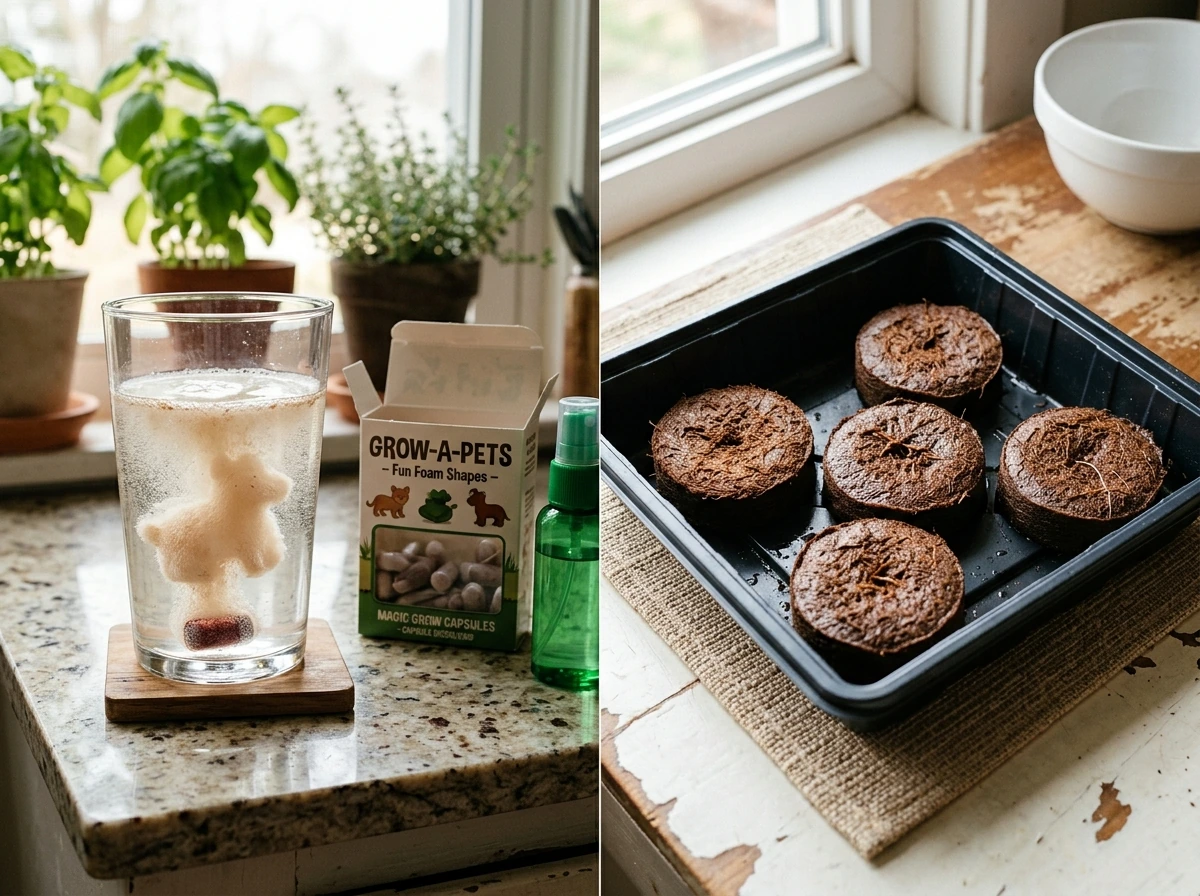
First: Figure Out Which Magic Grow Capsule Kit You Actually Have
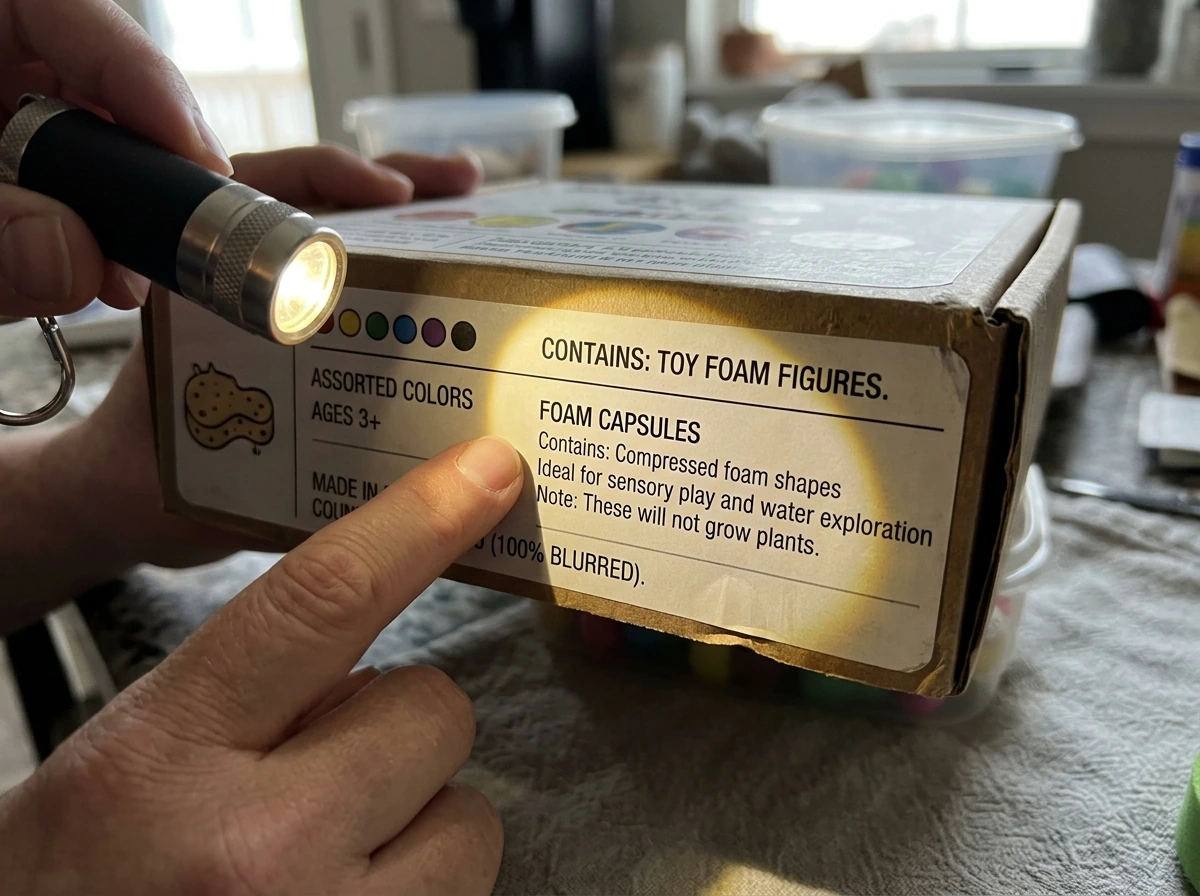
This is the single most important step before you do anything else. 'Magic Grow capsules' is a broad label that at least two very different product categories use. Getting the wrong instructions is the most common reason people run into problems, so spend two minutes confirming your kit version right now.
The Toy/Novelty Foam Capsule Version (Most Common Search Result)
The most widely available 'Magic Grow Capsules' product is a toy novelty kit where small compressed capsules dissolve in warm water and release foam animal or dinosaur shapes. These are inedible, not a gardening product, and not related to plant cultivation at all. A standard package contains 12 capsules. If your package says anything about foam animals, dinosaurs, sea creatures, or shapes, this is what you have.
The Plant/Grow Kit Capsule Version
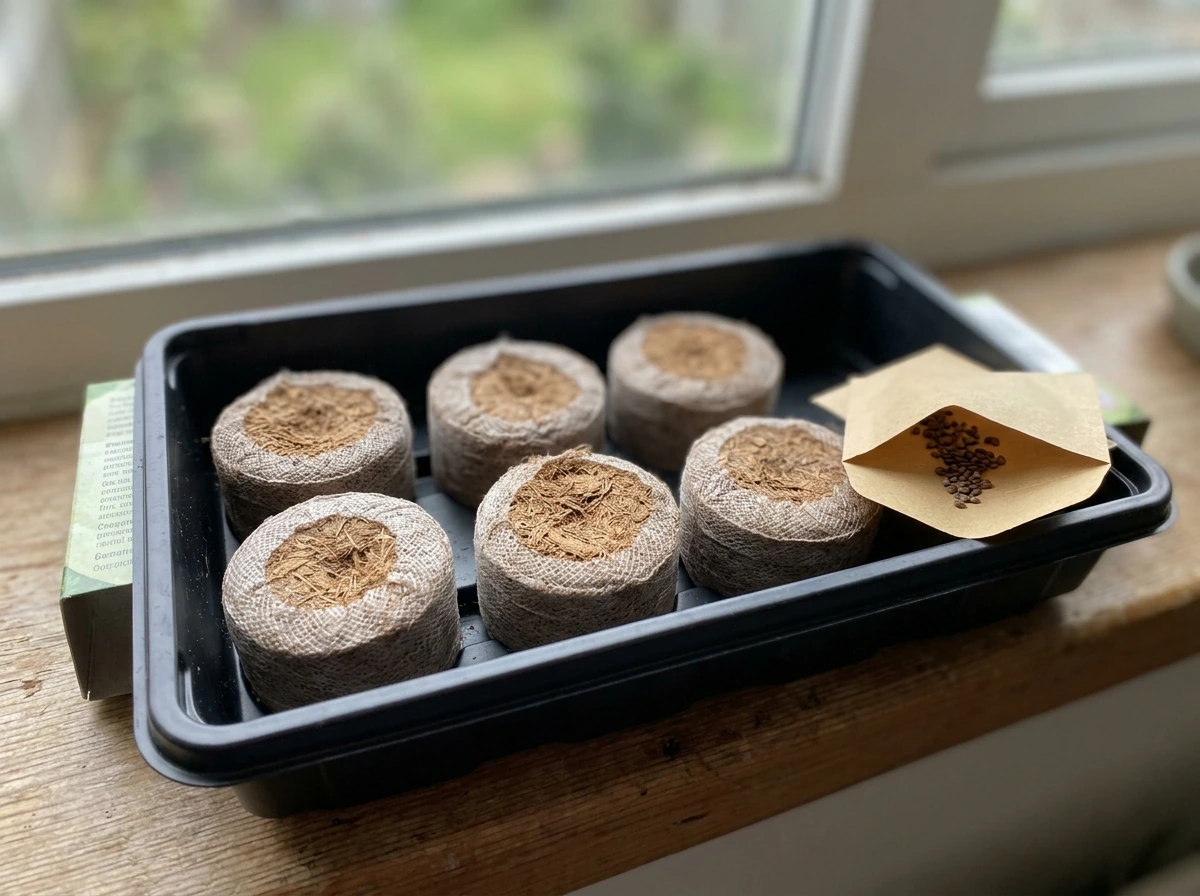
Some garden and hobby brands sell seed-starting or grow kits where capsules contain compressed growing medium (usually coir or peat), seeds, or nutrients. These look similar to foam capsules from the outside but are designed to expand in water and support germination. Check your packaging for words like 'seeds,' 'seedlings,' 'grow your own,' 'coir,' 'peat,' or any plant name.
How to Confirm Your Exact Version Right Now
- Read the back of the packaging carefully — it should describe what the capsules contain and what grows or forms after activation
- Look for a QR code or website address on the box and visit it for model-specific instructions
- Check the capsule count — 12 capsules is typical for the foam toy version; seed/grow kits often come in sets of 6, 8, or 10 with labeled pods
- Look for any seed packets or separate components in the box — the toy foam version includes only capsules and a simple instruction sheet
- Check whether the box includes a growing tray, pot, or container — plant grow kits almost always do; toy capsule kits rarely do
- Search the brand name printed on your box along with 'grow capsules instructions' for manufacturer-specific guidance
If you genuinely can't tell from the packaging, look at the capsule itself. A compressed coir or peat grow medium capsule will feel hard and slightly rough, and may have a mesh netting around it. A foam toy capsule is typically smooth, very lightweight, and has a colored gelatin-like shell. Once you've confirmed your version, follow the matching section below.
What You Need Before You Start
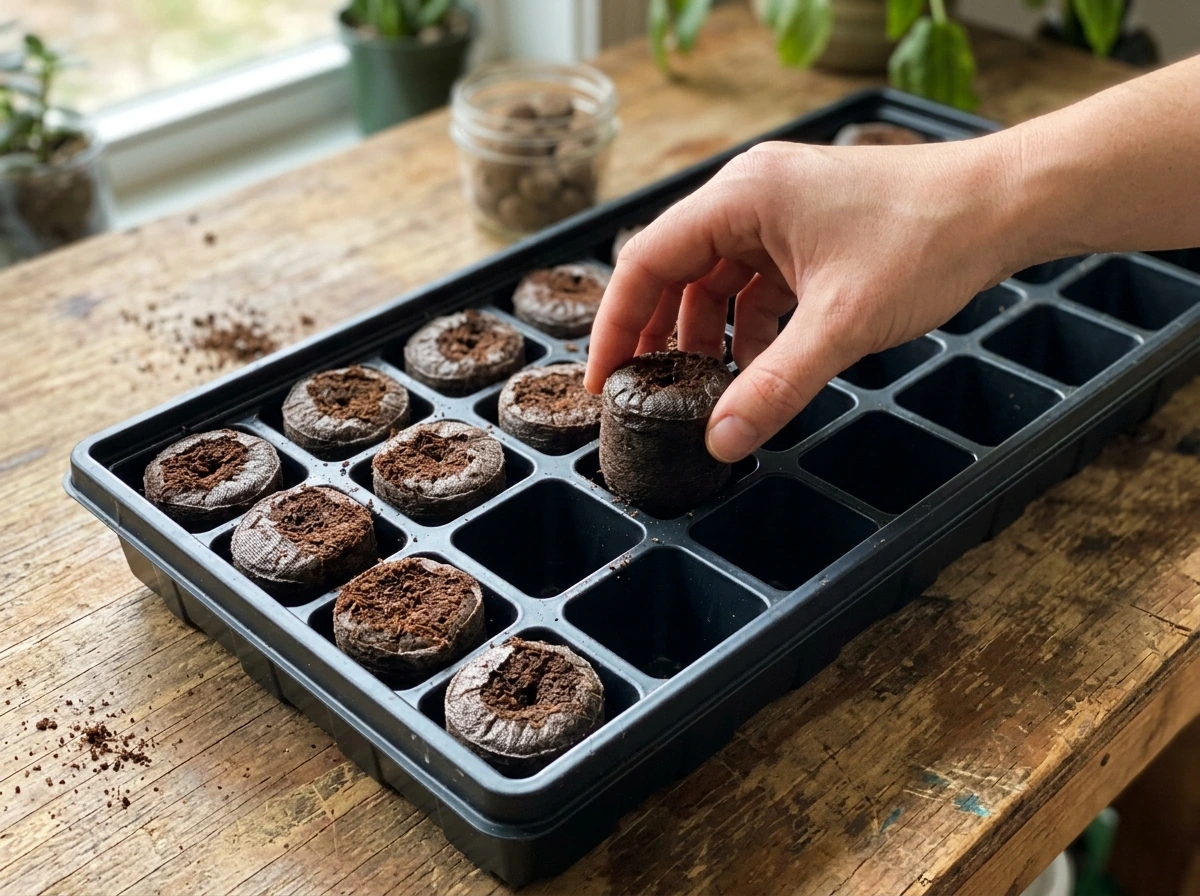
The prep list is slightly different depending on your capsule type, but here's what covers both scenarios.
For Toy Foam Magic Grow Capsules
- A clear bowl or cup (glass works best so you can watch the capsule expand)
- Warm water — around 100 to 110°F (38 to 43°C) works well; hot tap water is usually sufficient
- A flat surface with good lighting so you can see the foam shape emerge
- Nothing else — no soil, no containers, no tools required
For Plant Grow Kit Capsules (Seed-Starting or Coir Expansion)
- Room-temperature water (distilled or filtered is ideal; tap water left to sit overnight is fine)
- A grow tray or shallow container at least 2 to 3 inches deep
- A spray bottle for gentle watering after setup
- A location with consistent indirect light or a grow light — avoid direct harsh sunlight for seedlings
- Ambient temperature of 65 to 75°F (18 to 24°C) for most common plant varieties
- Optional: a clear humidity dome or plastic wrap to retain moisture during germination
One thing worth noting upfront: using cold water for either type of capsule significantly slows or prevents proper activation. Always use warm water, not cold from the tap. One thing worth noting upfront: using cold water for either type of capsule significantly slows or prevents proper activation. Always use warm water, not cold from the tap. For more details, see the golden teacher grow bag instructions.
Step-by-Step Setup: Activating and Placing Your Capsules
If You Have the Toy Foam Capsules
- Fill a bowl or cup with warm water — enough to fully submerge the capsule (at least 1 inch of water above the capsule)
- Drop one capsule into the water — do not squeeze or break the capsule shell before placing it in water
- Watch the outer shell dissolve over 2 to 5 minutes, releasing the compressed foam inside
- The foam shape will fully expand within 5 to 10 minutes; some larger shapes may take up to 15 minutes
- Remove the foam shape from the water and let it dry on a flat surface if you're keeping it
- Repeat for remaining capsules one at a time, or use separate cups for multiple capsules at once
That's genuinely all there is to the toy foam version. If the capsule isn't dissolving, the water isn't warm enough, heat it up and try again.
If You Have the Plant Grow Kit Capsules (Coir/Peat Expansion)
- Place your growing tray on a flat, stable surface in your chosen location before adding water
- Set each capsule in the tray with the mesh netting or flat side facing down — check your packaging for orientation guidance specific to your model
- Slowly pour warm water over the capsules — most compressed coir discs need about 2 to 4 tablespoons of water each to begin expanding; pour gradually and let it absorb before adding more
- Wait 5 to 10 minutes for the capsules to fully expand into small soil discs or plugs; they should roughly double or triple in height
- If seeds are separate (not pre-embedded in the capsule), use a toothpick or your fingertip to make a small indentation about 1/4 inch deep in the center of each expanded disc
- Place 1 to 2 seeds per disc in the indentation, then lightly cover with the surrounding medium — do not press down firmly
- If seeds are already embedded in your capsule, skip the seeding step — the medium has already been prepared
- Mist the surface lightly with a spray bottle so the top layer stays moist but not waterlogged
- Cover loosely with a humidity dome or plastic wrap if your kit includes one, leaving a small gap for airflow
Caring for Your Capsules After Setup
The toy foam capsules don't need ongoing care, once expanded, they're done. Everything below applies to plant grow kit capsules.
Watering
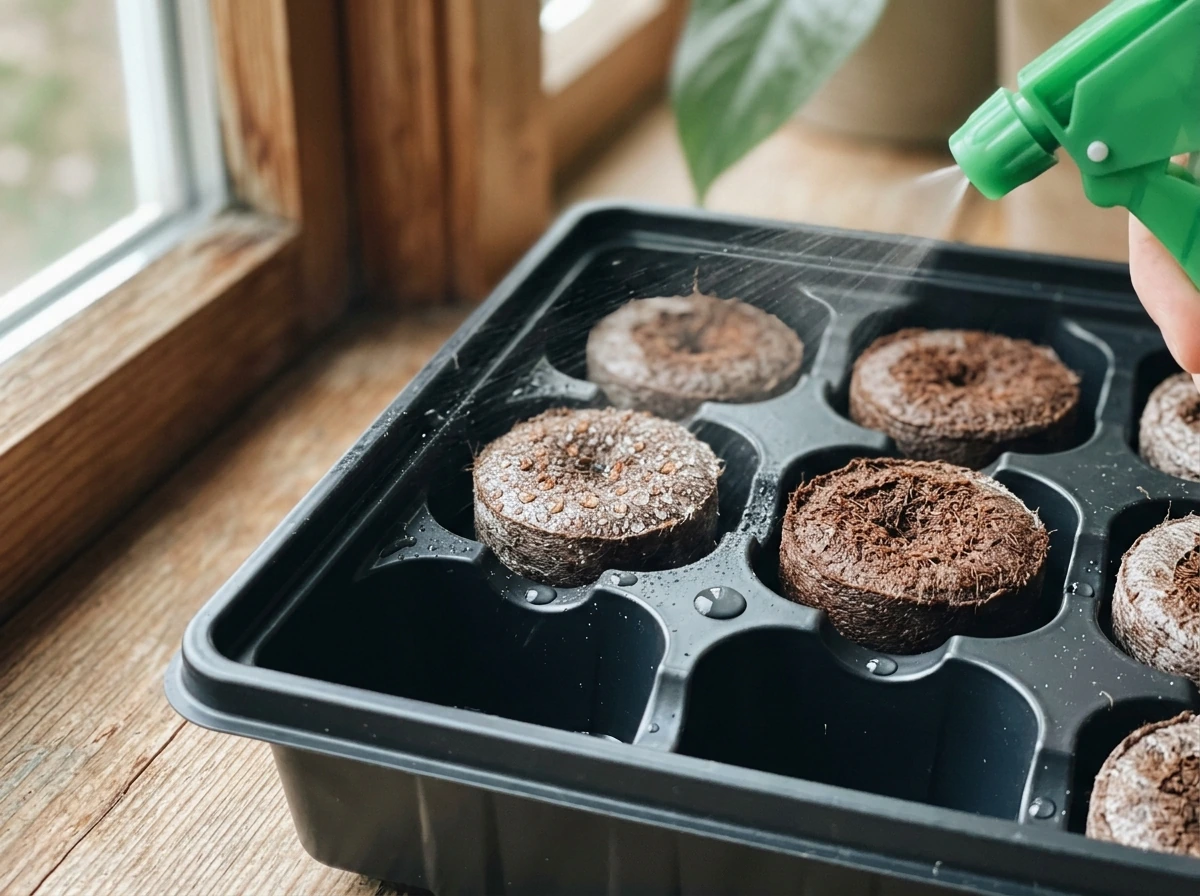
Mist the surface of each disc once or twice a day, just enough to keep the medium damp. The goal is 'moist like a wrung-out sponge', not soaking wet and not bone dry. Stick your fingertip about half an inch into the medium. If it feels dry at that depth, it's time to mist. If it feels wet or the tray has standing water at the bottom, hold off and let it dry slightly before watering again.
Light
During germination (before any sprouts appear), light matters less than temperature and moisture. Once sprouts emerge, move the tray to a spot with 6 to 8 hours of indirect light per day, or place it 6 to 12 inches below a standard grow light. Avoid placing new seedlings in direct harsh afternoon sun, it dries out the small medium discs very quickly and can scorch tender sprouts.
Temperature
Keep the tray between 65 and 75°F (18 to 24°C) for most common plant varieties. Avoid windowsills that get cold at night or heating vents that create hot/dry microclimates. Consistent temperature matters more than hitting a perfect number, big swings between day and night slow germination noticeably.
Fertilizing
Most compressed coir or peat capsules have minimal or no built-in nutrients. If your kit didn't include fertilizer tablets or a nutrient solution, you generally don't need to fertilize until the seedling has developed its first true leaves (not the initial seed leaves). At that point, a diluted all-purpose liquid fertilizer at quarter strength once a week is a safe starting point. Check your specific kit's packaging, some include small nutrient tabs that you add during the initial watering step.
Basic Care Calendar
| Timeframe | What to Do |
|---|---|
| Day 1 | Activate capsules with warm water, plant seeds if separate, mist surface, cover with dome |
| Days 2 to 7 | Mist 1 to 2 times daily, keep covered, maintain 65 to 75°F, check for condensation |
| Days 7 to 14 | Watch for germination; remove dome once sprouts are 1/2 inch tall; increase light |
| Days 14 to 21 | Continue misting, introduce gentle airflow, begin diluted fertilizer after first true leaves |
| Day 21 onward | Consider transplanting to larger pot if roots are outgrowing the disc |
What Growth Should Look Like (And When)
For the toy foam capsules, success is immediate and obvious: the shell dissolves and a foam shape expands within 5 to 15 minutes. There's no waiting period.
For plant grow kit capsules, here's a realistic timeline for most common herb and vegetable varieties included in consumer kits:
| Milestone | Expected Timing | What It Looks Like |
|---|---|---|
| Capsule expansion | 5 to 15 minutes after watering | Disc grows from flat puck to full-height medium plug |
| Seed germination | 3 to 14 days depending on variety | Tiny white root tip emerges at base, then green shoot pokes up |
| First seed leaves (cotyledons) | 7 to 14 days | Small paired leaves, often round or oval shaped |
| First true leaves | 14 to 28 days | Leaves shaped like the mature plant; this is when the seedling is established |
| Ready to transplant | 3 to 6 weeks | Roots visibly growing out of the disc bottom; plant has 2 to 4 true leaves |
Slow starters are normal. Basil and pepper seeds, for example, can take 10 to 14 days to show any visible germination even under good conditions. If you see nothing by day 14, that's when it's worth troubleshooting rather than giving up immediately.
Troubleshooting: When Things Don't Go as Planned
Capsule Won't Dissolve or Expand
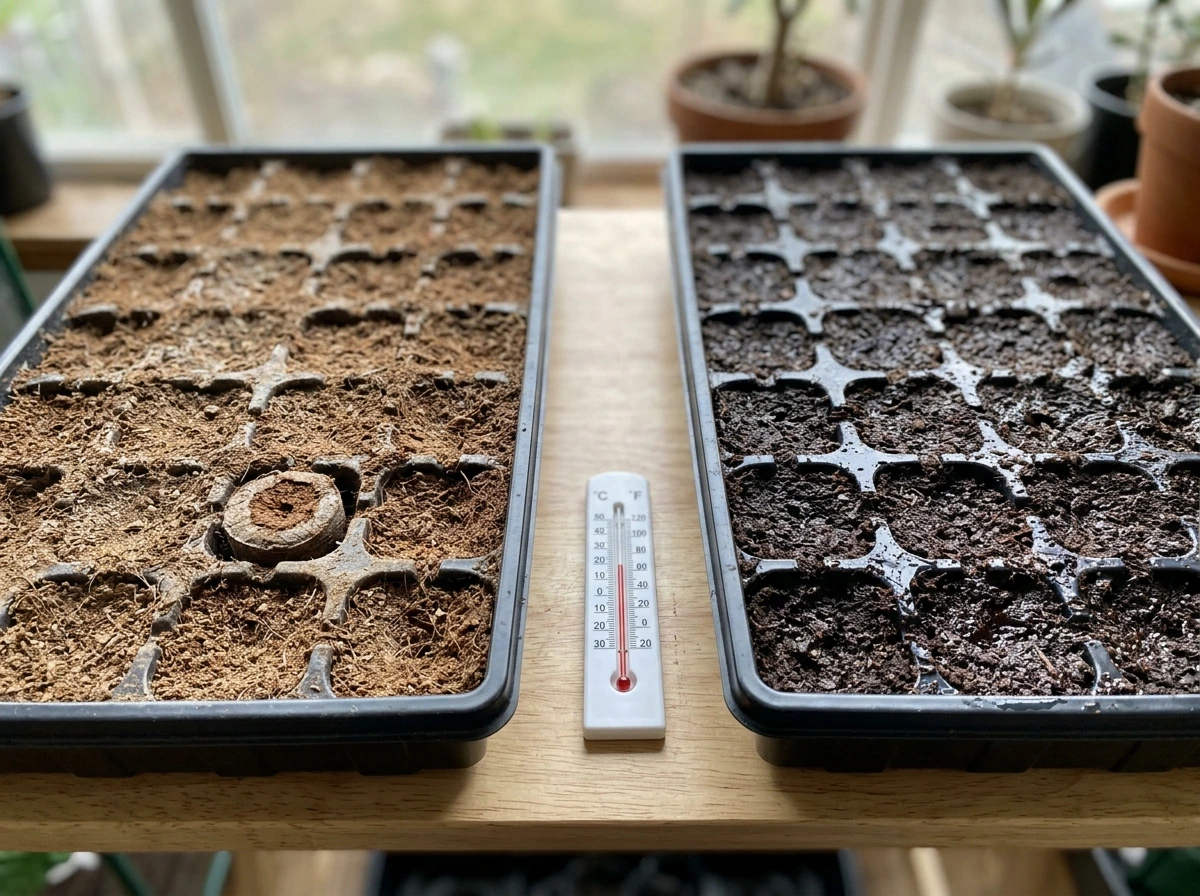
For foam toy capsules: the water is almost certainly too cold. Reheat it and try again. For coir/peat grow kit capsules: add more water slowly. Some discs need more water than you'd expect, if the disc is still compact after 5 minutes, add another tablespoon of warm water and wait again. Also check that you haven't left the capsule sitting dry for too long after opening the package, as extreme dryness can make coir slow to rehydrate.
No Germination After 14 Days
- Check temperature first — below 60°F significantly delays or prevents germination for most varieties
- Make sure the medium has stayed consistently moist and hasn't dried out completely at any point
- Confirm the seed depth — seeds pushed too deep (more than 1/4 to 1/2 inch for small seeds) may struggle to emerge
- Check the seed expiration date on the packet if seeds were separate — old seeds have lower germination rates
- Try the damp paper towel test: place a couple of seeds between damp paper towels in a warm spot. If they sprout there in a few days, your medium conditions are the issue. If they don't sprout anywhere, the seeds may be old or defective
Mold or Algae Appearing on the Medium
White fuzzy patches on the surface of coir discs are usually mold from overwatering or poor airflow. Green slime or coating is typically algae from too much light hitting wet medium. For mold: reduce watering frequency, remove the humidity dome, and gently improve airflow around the tray. A very thin layer of dry coir or sand on the surface can help. For algae: block direct light from hitting the medium surface directly (light should reach the plant, not the soil), and again reduce watering. In both cases, don't panic, light surface mold rarely kills seeds that haven't germinated yet, but it's a sign conditions need to change.
Overwatering vs. Underwatering
Overwatering is by far the more common mistake with small capsule discs. Signs include waterlogged medium that never seems to dry out, yellowing seedlings, stem rot at the base, and the mold issues described above. Fix it by cutting back to misting once a day maximum and improving airflow. Underwatering looks like crispy medium edges, seedlings wilting and not recovering after watering, and a disc that pulls away from the tray due to shrinkage. Fix it by misting more frequently and checking soil moisture more often than you think you need to.
Seedlings Are Leggy and Falling Over
This almost always means not enough light. Seedlings stretch toward any available light source and become weak and spindly as a result. Move the tray closer to your light source or to a brighter window. If using a grow light, bring it to within 4 to 6 inches of the seedlings. You can also lightly brush seedling stems once a day with your fingers to encourage stronger stem development, this simulates outdoor wind and genuinely works.
Odor Coming from the Tray
A sulfur or rotting smell usually means anaerobic bacteria are growing in waterlogged medium. This is a serious overwatering problem. Let the medium dry out significantly, improve airflow, and if the smell persists after a few days, the medium may be too contaminated to recover. Remove affected discs, sanitize the tray, and start fresh with new capsules if needed.
Safety, Storage, and When to Contact Support
Safety Notes
- Toy foam capsules are labeled non-toxic but are not edible — keep them away from young children who might swallow them, and supervise children during the water activation step
- Plant grow kit capsules and seeds are not food products — wash hands after handling growing medium and seeds
- If your kit came with pre-inoculated capsules or any mushroom cultivation components, treat them as you would any cultivation kit: avoid contamination, don't eat anything unless you can 100% identify it, and follow the specific mushroom grow kit protocols (our guides on mushroom grow bag instructions cover this in detail)
Storing Unused Capsules
- Keep unused capsules in their original sealed packaging until you're ready to use them
- Store in a cool, dry place away from humidity — a kitchen drawer or shelf is fine; a bathroom cabinet near a shower is not
- Avoid storing near direct heat sources, which can dry out coir capsules to the point where they rehydrate unevenly
- Most seed-containing capsules have a shelf life of 1 to 2 years from manufacture — check the packaging for a best-by date and don't expect great germination rates from capsules stored well past that date
- Toy foam capsules have a much longer shelf life but can be damaged by moisture before use — if the capsule feels soft or tacky, it's already begun activating and may not expand properly in water
When to Stop and Contact the Manufacturer
Contact the brand's support team or the retailer if: you've followed all the correct steps and zero capsules have activated or germinated after 3 weeks; the capsules smell unusual straight out of the sealed package; you notice visible mold on capsules before they've even been used; or your packaging is damaged or missing key components. Most reputable consumer kit brands will replace defective capsule sets if you contact them with a photo of the packaging and a description of what happened. Look for a contact email or phone number on the back of the box or the manufacturer's website.
A Quick 'Do This Next' Checklist
- Identify your exact kit version (toy foam vs. plant grow kit) before doing anything else
- Check the packaging for a QR code or website with model-specific instructions
- Gather warm water, a suitable container, and any tools listed above before opening capsules
- Follow the correct activation steps for your version and note the time so you can track your timeline
- Set a daily reminder to check moisture levels for the first two weeks
- Take a photo on day one and again at days 7 and 14 — small progress is easier to see when you compare images
- If something looks wrong by day 14, use the troubleshooting section above before assuming the kit is defective
FAQ
How can I confirm whether I have the toy foam version or the plant grow kit version? (magic grow capsules instructions)
You can tell quickly by the capsule’s packaging language and the capsule’s look. If it mentions foam animals, dinosaurs, or other shapes and the capsule is smooth and light with a colored gelatin-like shell, it is the toy foam kit. If it mentions seeds, coir, peat, seedlings, or “grow your own,” it is the plant grow kit, and the discs expand into a planting medium.
What’s the best way to add water during the initial setup for grow kit capsules?
For plant grow kit capsules, your first watering is what matters most. Use warm water slowly, so the discs have time to fully expand and hydrate evenly. If a disc is still compact after about 5 minutes, add warm water in small increments (for example, another tablespoon) rather than pouring all at once.
My foam capsules won’t dissolve or expand, what should I check first?
If the foam toy capsules are not expanding, the water is almost always too cold or the capsule is sitting in water that has cooled down. Reheat the water to warm, keep it at that temperature, and retry right away. If you have warm water but still see no activation, check the package for damage or missing components and consider contacting the seller.
How do I avoid overwatering with capsule discs, and how can I tell I’m watering too much?
Don’t keep the medium constantly wet. A practical rule is to mist only enough to keep it damp, “like a wrung-out sponge.” If you see standing water at the tray bottom or the fingertip test shows wet at about half an inch deep, pause watering and let it dry slightly before misting again.
My seedlings look tall and spindly, what light setup should I use?
Yes, and it’s a common mistake. Seedlings that aren’t getting enough light stretch and become weak. For grow kits, aim for roughly 6 to 8 hours of indirect light daily, or use a grow light at about 4 to 6 inches from the seedlings (start there and adjust based on how fast they lean or stretch).
What’s the safest way to handle white fuzzy mold on coir discs before seedlings emerge?
If mold appears, focus on airflow and surface moisture control rather than removing the issue by heavy drying or flooding. For white fuzzy patches, reduce watering frequency, remove any humidity cover, and gently improve airflow. A thin dusting of dry coir or sand on top can help, but avoid mixing it deep into the wet medium.
How do I prevent algae buildup on the medium surface in my capsule tray?
For algae (green coating/slime), the usual driver is too much light hitting wet medium. Move the tray so plant light reaches seedlings but direct light does not blast the surface, and reduce watering so the medium surface dries slightly between mists.
What temperature mistakes slow germination, even if I’m “in the right range”?
A warm but stable environment helps more than chasing an exact number. Keep the tray away from cold night drafts and from hot/dry vents. If your house cycles temperature, place the tray in the most stable room area you have rather than moving it frequently.
When should I start fertilizing, and can I fertilize earlier if my kit includes nutrients?
Fertilize only after you can see true leaves, not just the initial seed leaves. If your kit did not include nutrient tabs or solution, start with diluted all-purpose liquid fertilizer at about quarter strength once a week. If you used any included tabs during the initial watering, do not double up with additional fertilizer until the true-leaf stage.
What should I troubleshoot first if nothing germinates after the expected timeline?
If you see zero germination by day 14 for quick starters or by around day 21 for slower varieties, first re-check moisture and warmth, then consider seed viability or capsule hydration. For hydration, ensure the discs were fully expanded, and if any discs were left dry after opening, assume germination may be reduced and try a fresh set only after correcting conditions.
What does a rotten or sulfur smell mean, and is there a way to save the tray?
A sulfur or rotting smell usually means the medium is staying waterlogged and becoming anaerobic. That is serious. Let the discs dry out significantly, improve airflow, and consider removing affected discs. If the smell continues after a few days, the safest option may be to discard contaminated medium and restart with new capsules.
When should I contact support, and what info should I provide to get replacements?
If capsules smell unusual right out of the sealed package, or if none activate or germinate after about 3 weeks even after correcting setup, contact the brand or retailer. Include photos of the packaging and the capsules, note your capsule type (toy foam vs grow kit), and describe your water temperature and timing so they can assess whether it’s a defective batch.